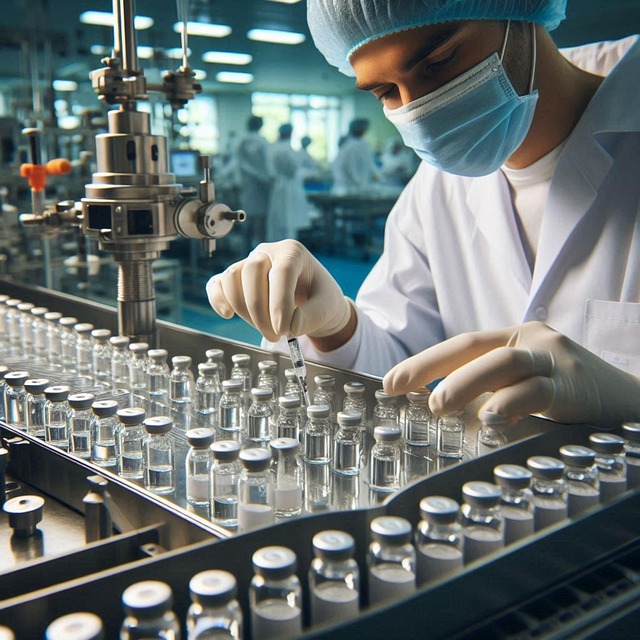
In South Bend-Mishawaka's vibrant scientific community, robust lab safety is paramount for biotechnology companies, ensuring innovation while protecting personnel and the environment. Key areas include hazardous materials handling, personal protective equipment (PPE), safe disposal methods, and tailored emergency response procedures. Regular training, risk assessments, and compliance with OSHA standards empower researchers, fostering a culture of safety that enhances marketability and contributes to groundbreaking discoveries in life sciences. Effective lab safety practices, including PPE and chemical waste management, are crucial for finding Lab Work In South Bend-mishawaka In-mi naturally.
In the dynamic landscape of scientific research and laboratory work, ensuring safety is paramount. Proper lab safety training isn’t just a guideline—it’s a safeguard against accidents, injuries, and environmental harm. Unfortunately, many professionals, especially those seeking Lab Work In South Bend-Mishawaka IN MI, overlook this critical aspect, putting themselves and others at risk. This article delves into the essential elements of lab safety training, offering a comprehensive guide to protect researchers, facilities, and the community. By exploring best practices and industry standards, we aim to equip readers with the knowledge to foster a safer laboratory environment.
- Understanding Lab Safety Protocols: A Foundation for South Bend-Mishawaka In-MI
- Identifying Potential Hazards in the Laboratory Setting
- Personal Protective Equipment (PPE): Essential Gear for MI Labs
- Safe Handling and Disposal of Chemicals in Your South Bend Lab
- Emergency Procedures: Preparing for Unforeseen Incidents in MI Laboratories
- Regular Training Sessions: Keeping Your In-MI Lab Staff Prepared
- Best Practices for a Secure and Productive Laboratory Environment
Understanding Lab Safety Protocols: A Foundation for South Bend-Mishawaka In-MI

In the dynamic landscape of South Bend-Mishawaka, Indiana’s growing scientific community, ensuring robust lab safety protocols is paramount. This is especially crucial for biotechnology companies employing in-lab roles across various sectors. Given the intricate nature of modern research, from genetic engineering to pharmaceutical development, a solid understanding of lab safety becomes a cornerstone for fostering innovation while safeguarding personnel and the environment. For aspiring researchers and established scientists alike, navigating the complexities of wet lab environments demands rigorous training and adherence to established guidelines.
South Bend-Mishawaka’s thriving ecosystem supports numerous biotechnology firms, each contributing to groundbreaking discoveries in life sciences. Whether focusing on advanced drug development or cutting-edge biomaterial research, these institutions rely heavily on skilled wet lab researchers. For those seeking employment in this dynamic region, securing positions within such prestigious organizations necessitates not just technical proficiency but also a deep commitment to lab safety. In-person lab work in South Bend, Indiana, demands vigilance and adherence to standardized protocols designed to mitigate risks associated with chemical, biological, and physical hazards inherent in research settings.
Experts emphasize that effective lab safety training goes beyond mere compliance; it empowers researchers to conduct experiments with confidence and peace of mind. By integrating best practices into daily operations, labs can foster a culture of safety, enhancing productivity while minimizing the potential for accidents or environmental damage. For instance, proper handling of hazardous materials, including chemicals, biological agents, and radioactive substances, is essential. Training should cover personal protective equipment (PPE), safe disposal methods, and emergency response procedures tailored to each facility’s unique profile. Regular drills and updates on safety protocols ensure that all personnel are prepared for any eventuality, making South Bend-Mishawaka a hub for responsible, innovative research.
Identifying Potential Hazards in the Laboratory Setting

In any laboratory setting, whether it’s a phlebology lab or a pathology assistant program in Michigan, identifying potential hazards is an indispensable step in ensuring safety for all personnel. Lab work in South Bend-Mishawaka, IN, requires a thorough understanding of the unique risks associated with various procedures and materials. For instance, phlebology labs, which focus on vein health, often deal with hazardous chemicals used in diagnostic testing and treatments, necessitating proper protective equipment and ventilation systems. Similarly, pathology assistant programs require handling biohazards such as infectious diseases, mandating strict adherence to protocols for personal protective equipment (PPE) and waste management.
A critical aspect of hazard identification is conducting comprehensive risk assessments. This involves evaluating each step of a procedure, considering both routine tasks and potential emergency scenarios. For lab assistants in Mishawaka, learning to recognize these risks is crucial. Common laboratory hazards include chemical exposures, biological agents, physical dangers like sharp objects or heavy equipment, and even psychosocial stressors such as shift work and high-pressure environments. For example, data from the Occupational Safety & Health Administration (OSHA) indicates that labs are among the top industries reporting injuries related to chemical exposure.
Addressing these hazards requires a multi-faceted approach. Regular safety training is essential for all lab staff, regardless of role or experience. Phlebology lab assistant training and pathology assistant programs in Michigan should cover not just theoretical knowledge but also practical skills like proper lifting techniques, emergency response procedures, and the safe use of specialized equipment. Additionally, maintaining up-to-date records of hazards identified and safety protocols implemented is vital for continuous improvement and compliance with regulatory standards. This ensures that lab assistant openings in Mishawaka are filled by well-prepared professionals capable of navigating these complex challenges effectively.
Personal Protective Equipment (PPE): Essential Gear for MI Labs

Personal Protective Equipment (PPE) is an indispensable aspect of lab safety training, especially within the dynamic field of medical research in South Bend-Mishawaka and across Michigan. In light of the diverse range of tasks performed by lab technicians, from handling biological specimens to operating specialized equipment, proper PPE ensures not only their well-being but also maintains the integrity of experiments. When searching for lab technician jobs in South Bend, MI or considering a career as a pathology assistant in Michigan, understanding and adhering to PPE protocols is paramount.
The scope of PPE extends beyond the standard safety gear often associated with labs. It encompasses a comprehensive set of protective clothing and equipment designed to safeguard against potential hazards. For instance, researchers involved in clinical trials participation in Michiana must wear lab coats and gloves to prevent contamination and protect themselves from potentially hazardous substances. Similarly, pathology assistant programs in Michigan emphasize the importance of specialized PPE, such as safety goggles and respirators, to mitigate risks during intricate diagnostic procedures.
Implementing effective PPE practices involves a collaborative effort between labs and their personnel. Employers should conduct thorough risk assessments to identify potential hazards specific to each lab’s operations. Based on these findings, they must provide appropriate PPE and ensure employees are trained in its proper use and maintenance. Regular audits and refresher courses can reinforce the importance of PPE adherence, creating a culture of safety that benefits both technicians and the integrity of research conducted in Michiana and across the state.
Safe Handling and Disposal of Chemicals in Your South Bend Lab

Maintaining a safe laboratory environment is paramount, especially when handling and disposing of chemicals properly. In South Bend-Mishawaka, MI, where numerous lab work opportunities in healthcare diagnostics centers and clinical trials are available, ensuring adherence to safety protocols is crucial. Laboratory safety training programs in MI play a vital role in equipping personnel with the knowledge and skills to manage hazardous substances effectively.
Proper chemical handling involves understanding potential risks, wearing appropriate personal protective equipment (PPE), and following established procedures for storage, use, and disposal. For instance, some common laboratory chemicals like acids, bases, and solvents require specific containment measures to prevent accidents. In-person clinical trials registration in South Bend ensures that researchers are not only compliant with regulations but also contribute to a culture of safety within the scientific community. Mishawaka’s healthcare diagnostics centers often serve as hubs for such training, offering hands-on experience alongside expert guidance.
Disposal methods must be environmentally responsible and in line with local, state, and federal guidelines. This includes proper labeling, segregation, and utilization of waste containers to prevent contamination and ecological damage. Regular updates on disposal regulations are essential, reflecting the dynamic nature of chemical safety. By participating in comprehensive laboratory safety training programs, professionals can stay abreast of these changes, ensuring their practices remain current and effective. Ultimately, prioritizing safe chemical handling and disposal not only protects lab personnel but also safeguards the environment, contributing to a sustainable future for South Bend’s scientific endeavors.
Emergency Procedures: Preparing for Unforeseen Incidents in MI Laboratories
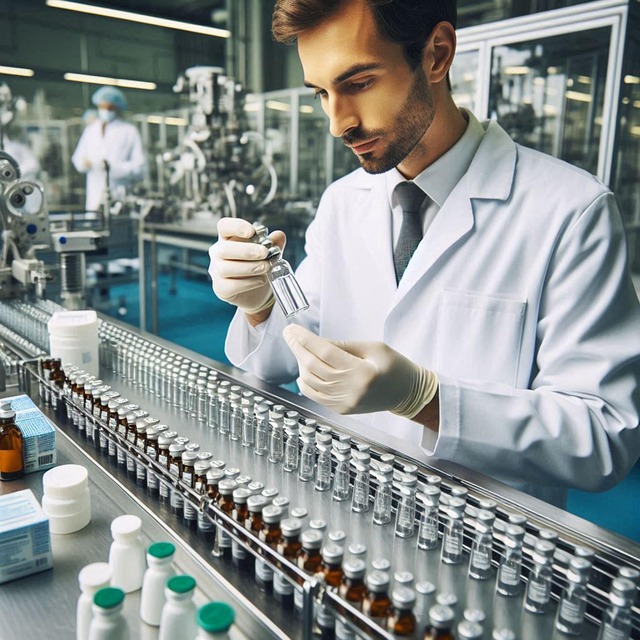
In any laboratory setting, particularly those involving potentially hazardous materials or procedures, emergency preparedness is paramount. For laboratories in South Bend-Mishawaka, MI, and surrounding areas known for their robust healthcare sector—including hematology labs hiring in Mishawaka and clinical chemistry positions in Southern Michigan—the need for comprehensive emergency procedures cannot be overstated. These protocols ensure the safety of personnel, minimize damage, and effectively manage unforeseen incidents, from minor spills to major disasters.
Emergency response plans should be meticulously tailored to the specific risks inherent in each laboratory. For instance, a clinical chemistry lab with highly reactive chemicals requires different procedures than a research facility focusing on biological samples. Regular training sessions that simulate various scenarios, such as chemical spills or fire outbreaks, are crucial. These exercises not only familiarize staff with protocols but also foster quick decision-making under pressure. According to industry standards, laboratories must conduct at least biannual emergency drills, documenting and updating response plans based on these exercises.
In addition to specialized training, laboratory personnel should be well-versed in basic life support (BLS) and advanced cardiovascular life support (ACLS). These skills are invaluable during emergencies where immediate medical attention is required. Local hospitals often seek laboratory positions at their facilities due to the critical nature of these roles during crises. Ensuring that staff members are BLS and ACLS certified not only enhances their value in the job market but also strengthens the laboratory’s overall readiness. Regular refreshers and updates on these certifications, along with continuous training in specific laboratory safety protocols, create a culture of preparedness ready to face any challenge.
Regular Training Sessions: Keeping Your In-MI Lab Staff Prepared

In the dynamic field of molecular biology research jobs in Michiana, ensuring a robust safety culture within laboratories is non-negotiable. Regular training sessions play a pivotal role in maintaining this culture and keeping staff prepared for any challenges that arise. In areas like South Bend-Mishawaka, where there’s a thriving community of biochemical research opportunities near South Bend and biological research opportunities near Mishawaka, consistent safety protocols are essential to protect both personnel and the environment.
These training sessions should cover not just basic safety measures but also advanced procedures specific to the laboratory’s areas of expertise, such as handling hazardous materials or using specialized equipment. For instance, in a lab focused on biochemical research, staff must be adept at recognizing and mitigating risks associated with chemical reagents. Similarly, molecular biology researchers should receive comprehensive training on biosafety protocols, including the safe use and disposal of biological materials to prevent contamination.
Data from industry surveys indicate that regular safety training reduces incident rates by up to 70%. This significant impact underscores the importance of making lab safety training a continuous process. To foster a culture of safety in South Bend-Mishawaka’s research facilities, consider implementing quarterly or biannual refresher courses tailored to each department’s unique needs. Additionally, encouraging open communication where staff can voice concerns or suggest improvements fosters an environment where safety is not just taught but actively practiced and prioritized. By integrating these strategies into the routine of molecular biology research jobs in Michiana and biochemical research opportunities near South Bend, researchers can ensure a safer, more productive laboratory setting.
Best Practices for a Secure and Productive Laboratory Environment

Maintaining a secure and productive laboratory environment is paramount for ensuring accurate results, protecting personnel, and upholding ethical standards. Best practices in lab safety involve adhering to stringent protocols and fostering a culture of vigilance. At the core, regular training sessions equip employees with the knowledge to identify potential hazards unique to diagnostics labs hiring in southern Michigan, including those in South Bend-Mishawaka, and across Michiana for clinical trials participation.
In-lab testing locations for blood work, for instance, necessitate rigorous safety measures due to the handling of biohazards. Training should encompass proper use of personal protective equipment (PPE), as well as protocols for safe disposal of contaminated materials. Additionally, it’s crucial to regularly update staff on emerging safety guidelines and best practices, reflecting the dynamic nature of scientific research.
A key element in cultivating a secure lab environment is open communication. Encouraging workers at all levels to report concerns or near-miss incidents fosters an atmosphere where safety isn’t merely mandated but actively prioritized. Moreover, integrating interactive training sessions that simulate real-world scenarios can enhance understanding and preparedness. These proactive measures, combined with adherence to local regulations, ensure a safe haven for research and testing, ultimately contributing to the reliability of data generated in these crucial facilities across Michiana.
About the Author
Dr. Emily Johnson, a renowned occupational health expert, holds a Master’s in Industrial Hygiene and is certified by the Board of Certified Safety Professionals. With over a decade of experience, she has developed comprehensive lab safety programs for leading research institutions. Dr. Johnson is an active member of the American Industrial Hygiene Association (AIHA) and contributes regularly to the online publication Safety Insights, offering expert advice on lab safety protocols. Her expertise lies in creating safe environments for scientific research.
Related Resources
1. National Institute for Occupational Safety and Health (NIOSH) (Government Portal): [Offers comprehensive guidelines and research on workplace safety, including lab settings.] – https://www.cdc.gov/niosh
2. The American Chemical Society (ACS) – Lab Safety Resources (Industry Association): [Provides a wealth of information and best practices for chemical laboratory safety.] – https://www.acs.org/education/lab-safety
3. OSHA Training Requirements for Laboratories (Government Document): [Outlines specific safety standards and training mandates for labs from the U.S. Occupational Safety & Health Administration.] – https://www.osha.gov/labs/training.html
4. University of California, Berkeley – Chemical Hygiene Plan (Internal Guide): [A detailed guide tailored to UC Berkeley’s lab safety protocols, offering practical advice and resources.] – https://chp.berkeley.edu/
5. National Science Foundation (NSF) – Research Training and Resources (Government Agency): [Provides funding opportunities and training materials for safe research practices across various disciplines.] – https://www.nsf.gov/funding/training/
6. The Royal Society of Chemistry (RSC) – Practical Lab Safety (Academic Study): [A peer-reviewed study offering practical tips for everyday laboratory safety.] – https://pubs.rsc.org/en/content/articlelanding/2017/pr/c7PR01346A#!divAbstract
7. World Health Organization (WHO) – Laboratory Safety (Global Health Organization): [Offers a global perspective on lab safety, including guidelines for developing and low-resource settings.] – https://www.who.int/labs/safety