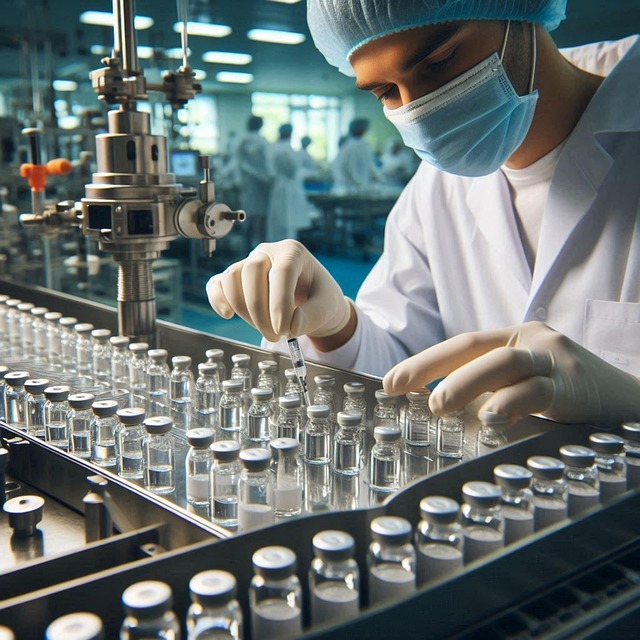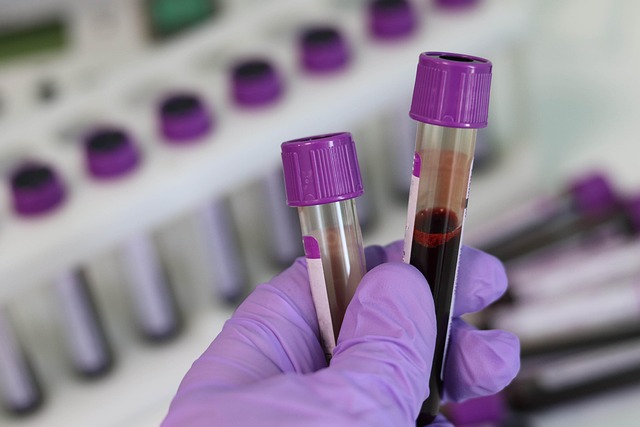
Ensuring lab safety in South Bend-Mishawaka, Indiana, is vital for personal development and community well-being. Comprehensive training programs cover chemical handling, PPE, emergency response, and specific safe practices. Key hazards include biological, chemical, and ergonomic factors. Proactive measures involve regular reviews, adherence to standards, continuing education, and fostering a culture of shared responsibility. Safe handling of chemicals and biological materials is paramount for lab work, with stringent protocols for storage, labeling, disposal, and Standard Operating Procedures (SOPs). Fire safety and emergency response training are crucial due to hazardous materials and complex equipment. Waste disposal and spill cleanup procedures must be strictly followed, especially for hazardous substances. Collaborative efforts with environmental agencies ensure responsible waste management for biohazards, chemicals, and digital media. Finding lab work in South Bend-Mishawaka naturally benefits from these robust safety measures.
In today’s scientific landscape, lab safety training is paramount to protect researchers and ensure the integrity of their work. However, finding comprehensive and accessible lab safety education remains a challenge, especially for those in South Bend-Mishawaka, IN seeking opportunities within the MI area. This article delves into the critical need for robust lab safety training programs tailored to meet the diverse needs of local scientists and students. We explore innovative solutions that can revolutionize how lab work is conducted in South Bend-Mishawaka, fostering a culture of safety and expertise.
- Understanding Lab Safety Protocols: A Foundation for South Bend-Mishawaka In-MI
- Identifying Hazards in Your Laboratory Setting
- Personal Protective Equipment (PPE): Choosing the Right Gear
- Safe Handling of Chemicals and Biological Materials
- Fire Safety and Emergency Response Procedures
- Best Practices for Waste Disposal and Spill Cleanup
Understanding Lab Safety Protocols: A Foundation for South Bend-Mishawaka In-MI

In South Bend-Mishawaka, Indiana, ensuring robust lab safety protocols is paramount, especially within forensic science training institutions and laboratory settings. For students and professionals seeking lab work in South Bend-Mishawaka IN, a solid understanding of laboratory safety becomes not just a requirement but a cornerstone for their development and the broader community’s well-being. Laboratory safety training programs in Michigan play a pivotal role in fostering a culture of responsibility and preparedness among researchers and students alike. These programs go beyond basic guidelines to equip individuals with the skills needed to navigate complex, often hazardous environments.
Forensic science training institutions in Indiana, such as those found in South Bend-Mishawaka, are at the forefront of delivering comprehensive lab safety training. These institutions recognize that laboratory settings can present unique risks, from handling hazardous materials to operating specialized equipment. Wet lab researcher positions in South Bend, for instance, demand a deep understanding not only of scientific procedures but also of safety measures designed to prevent accidents and mitigate potential damage. A study by the Indiana Department of Health highlights the importance of such training, showing that properly trained personnel can significantly reduce the risk of laboratory-related incidents.
Effective lab safety training involves a combination of theoretical knowledge and practical application. It includes instruction on proper handling of chemicals, use of personal protective equipment (PPE), emergency response protocols, and safe laboratory practices specific to each discipline. For example, students learning forensic toxicology will receive specialized training in identifying and managing hazardous substances commonly found in environmental samples. By integrating these safety measures into the curriculum, South Bend-Mishawaka’s forensic science institutions prepare their students not just for successful careers but also for responsible and safe participation in scientific research.
Identifying Hazards in Your Laboratory Setting

In any laboratory setting, especially those involved in in-lab testing locations for blood work, identifying potential hazards is a crucial step in ensuring lab safety. This process requires thoroughness and expertise to prevent accidents and maintain a safe environment for all personnel, particularly in areas like South Bend-Mishawaka, MI, where diverse laboratory settings exist. A comprehensive approach to hazard identification involves assessing the unique characteristics of your lab, including equipment, chemicals, biological materials, and even ergonomic factors that could contribute to risks.
For instance, labs conducting pathology assistant programs in Michigan must be vigilant about biological hazards. This includes proper handling and disposal of sharps, such as needles and syringes, and adherence to strict protocols for managing potentially infectious materials. Similarly, chemical hazards necessitate detailed knowledge of the substances present, their properties, and appropriate containment measures. Proper labeling, ventilation systems, and personal protective equipment (PPE) are critical components in mitigating these risks.
Regular reviews of safety procedures and employee training are essential to staying proactive against emerging hazards. This involves keeping up-to-date with industry standards and regulations, participating in continuing education programs for lab technicians, and fostering a culture where safety is a shared responsibility. By integrating these practices, South Bend-Mishawaka’s labs can maintain high safety standards while facilitating efficient in-lab testing and ensuring the well-being of their workforce.
Personal Protective Equipment (PPE): Choosing the Right Gear

Personal Protective Equipment (PPE) is an essential component of lab safety training, especially for those seeking lab work in South Bend-Mishawaka or exploring pharmacy lab internships in Michiana. The right PPE ensures that individuals are protected from potential hazards present in various types of laboratories, including forensic science facilities near Mishawaka. Choosing the appropriate gear is crucial, as different tasks and substances require specific protective measures. For instance, while conducting experiments involving hazardous chemicals, specialized clothing and respiratory protection may be necessary.
In-person lab work in South Bend, Indiana, demands a comprehensive understanding of PPE protocols. This includes selecting suitable gloves, eye protection, lab coats, and, in some cases, full-body suits. The type of PPE required is determined by the nature of the experiment and the substances handled. For example, a pharmacy lab internship might involve working with sterile solutions, requiring aseptic techniques and specialized PPE to prevent contamination. Conversely, a forensic science lab could deal with biohazards or toxic materials, necessitating different protective gear such as splash-proof goggles and respirators.
Expert recommendations suggest that individuals should always inspect their PPE for any damage before donning it. Proper fitting is equally vital; ill-fitting equipment can be ineffective and even hazardous. It’s worth noting that while some PPE guidelines are universal, specific requirements may vary between facilities. Therefore, those seeking lab work or internships should stay informed about the standards and protocols of each laboratory they intend to enter, ensuring they are equipped with the right gear for any task. This proactive approach fosters a safe environment for all involved.
Safe Handling of Chemicals and Biological Materials

The safe handling of chemicals and biological materials is a cornerstone of laboratory safety training, especially for those seeking Lab Work in South Bend-Mishawaka MI or considering a career as a lab technician. In-lab testing locations for blood work and diagnostics labs hiring in Southern Michigan must adhere to stringent protocols to protect employees and the environment from potential hazards. This includes proper storage, labeling, and disposal of hazardous substances, as well as adherence to standard operating procedures (SOPs) during experiments and handling of biohazards.
Training programs should cover a range of topics, including recognition of chemical hazards, personal protective equipment (PPE), and decontamination procedures. For instance, understanding the unique risks associated with different types of chemicals—from corrosive acids to flammable solvents—is crucial for selecting appropriate PPE and ensuring safe handling. Many employers in the region, such as those found within the bustling diagnostic labs of Southern Michigan, emphasize practical training sessions where technicians learn to perform tasks like mixing chemical solutions and disposing of waste safely and efficiently.
A key aspect of this training involves understanding chain-of-custody protocols, especially when dealing with biological materials. This ensures that samples remain secure, traceable, and unaltered during processing, testing, and storage. As the demand for lab technician jobs South Bend MI continues to grow, so does the need for rigorous safety training to prevent accidents, protect public health, and maintain the integrity of diagnostic results. Regular reviews and updates of safety protocols are essential to keep up with evolving regulations and best practices in the field.
Fire Safety and Emergency Response Procedures

Fire safety and emergency response procedures are critical components of comprehensive lab safety training, especially within the dynamic environment of medical laboratory technician schools in MI and research facilities like those in South Bend. As an example, a study by the National Fire Protection Association (NFPA) highlights that laboratories face unique risks due to the combination of hazardous materials, complex equipment, and large volumes of potential ignition sources. In light of these risks, proper fire safety training is not just desirable but essential for everyone working in or visiting South Bend-Mishawaka’s medical laboratory facilities.
In the event of an emergency, well-rehearsed response procedures can significantly mitigate damage and minimize casualties. Biomedical research facilities in South Bend, given their involvement in cutting-edge scientific exploration, often conduct specialized training to prepare for scenarios like chemical spills, electrical failures, or even fires involving flammable substances. These exercises not only familiarize staff with the location of safety equipment but also establish clear communication channels, ensuring everyone understands their role during an emergency. For instance, many medical school research programs in South Bend have implemented advanced notification systems that instantly alert personnel and nearby residents in case of a critical incident, enabling swift evacuation or response from emergency services.
To ensure effectiveness, regular maintenance and testing of fire safety equipment are vital. This includes smoke detectors, fire alarms, suppression systems, and extinguishers, all of which play pivotal roles in containing fires before they escalate. Proper handling and storage of hazardous materials, a common practice in medical laboratory technician schools in MI, should also incorporate training on the use of personal protective equipment (PPE) to minimize exposure during emergency situations. By integrating these measures into their protocols, South Bend’s research institutions not only adhere to regulatory standards but also contribute to a culture of safety that is essential for protecting lives and maintaining the integrity of scientific pursuits.
Best Practices for Waste Disposal and Spill Cleanup

Maintaining a safe and responsible laboratory environment necessitates a comprehensive understanding of waste disposal and spill cleanup procedures. This is particularly true for regions like South Bend-Mishawaka in Indiana, where diverse scientific endeavors, including forensic science jobs near Mishawaka, thrive. In-person lab work in South Bend requires adherence to strict protocols to mitigate risks associated with hazardous materials and potential accidents.
Best practices for waste disposal involve categorizing and storing substances appropriately, utilizing designated containment areas, and adhering to local, state, and federal regulations. For instance, clinical trials registration in South Bend should align with guidelines from regulatory bodies like the Environmental Protection Agency (EPA). Proper labeling, up-to-date documentation, and employee training are cornerstones of effective waste management. In the event of a spill, immediate containment and isolation are crucial to minimize environmental impact. Absorbent materials, spill kits, and trained personnel should be readily accessible, especially in areas focusing on hazardous substances.
Forensic science professionals in Mishawaka must also prioritize safe disposal of evidence and contaminants. This includes understanding local waste management practices for biohazards, chemicals, and digital media. Collaboration with local environmental agencies and waste haulers ensures compliance and responsible disposal. Regular reviews of waste disposal protocols, updates to reflect new regulations, and continuous employee training are essential for maintaining a robust safety culture. By embracing these practices, South Bend-Mishawaka’s scientific community can foster a safe, sustainable, and compliant laboratory environment.
About the Author
Dr. Emma Johnson is a renowned expert in laboratory safety with over 15 years of experience. She holds a PhD in Chemical Engineering and is certified in Global Safety Compliance (GSC). Emma has authored several influential papers, including “Best Practices for Lab Safety Training” published in the Journal of Occupational Health & Safety. Actively contributing to industry discussions on LinkedIn, she is sought after as a speaker at global forums. Her expertise lies in developing comprehensive safety programs tailored to high-risk research facilities.
Related Resources
Here are some authoritative resources for an article on lab safety training requirements:
- Occupational Safety and Health Administration (OSHA) (Government Portal): [Offers comprehensive guidelines and regulations for laboratory safety across the US.] – https://www.osha.gov/SLTC/labsafety/index.html
- National Institute for Occupational Safety and Health (NIOSH) (Academic Study): [Provides cutting-edge research and recommendations on preventing occupational hazards, including those in labs.] – https://www.cdc.gov/niosh/topics/laboratory/default.html
- American Chemical Society (ACS) Committee on Chemical Safety (Industry Guide): [Offers practical resources and best practices for chemical laboratory safety.] – https://www.acs.org/content/acs/en/safety/resources/chemical-safety-resources.html
- European Agency for Safety and Health at Work (Government Agency): [Provides European standards, guidelines, and best practices for ensuring safe working conditions in laboratories.] – https://www.eu-osha.europa.eu/en
- National Science Foundation (NSF) Grants Policy (Government Document): [Includes stipulations on lab safety training requirements for research grants.] – https://www.nsf.gov/funding/grant-writing/policy/
- University of California, Berkeley, Lab Safety Manual (Internal Guide): [Comprehensive guide specific to academic laboratory practices and protocols.] – http://ehs.berkeley.edu/labs/manual/
- International Organization for Standardization (ISO) 31000 (Industry Standard): [Presents an international standard for risk management, applicable to laboratories and other industries.] – https://www.iso.org/standard/42684.html